Available Payment Methods for Indian Players
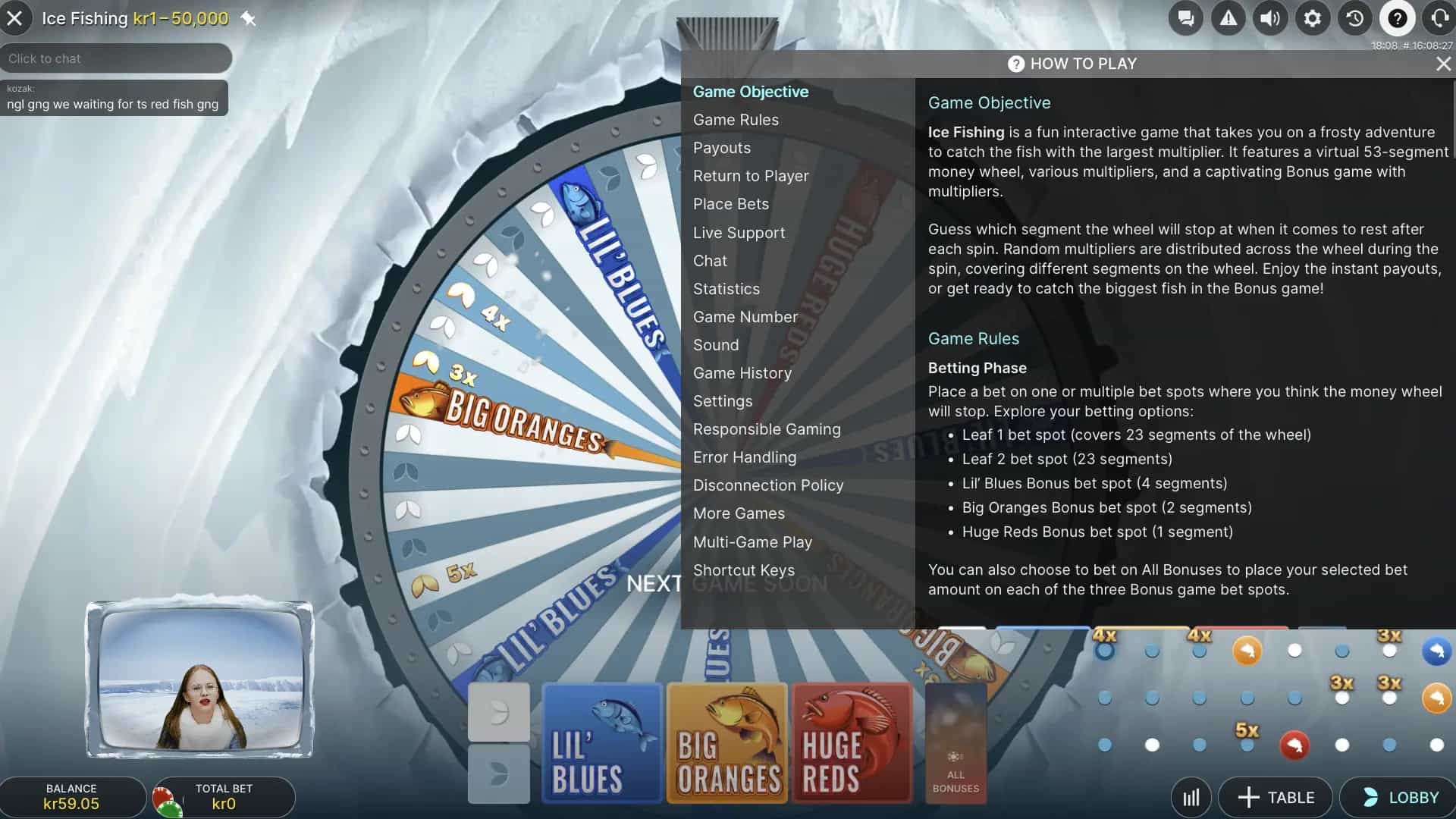
Indian players have access to a diverse range of deposit methods at online casinos that carry Evolution's game show portfolio. The best method for you depends on your personal priorities — whether speed, low fees, privacy, or withdrawal compatibility matters most. The table below summarises the most commonly available options, along with the key details that affect your decision. Keep in mind that exact fees, limits, and processing times may vary between casinos, so always verify the specifics at your chosen platform before initiating a transaction.
| Payment Method |
Processing Speed |
Typical Fees |
Usual Minimum Deposit |
| Visa / Mastercard |
Instant |
Usually fee-free at the casino level |
From ₹500–₹1,000 |
| UPI (Google Pay, PhonePe, Paytm) |
Instant |
Typically no fees |
From ₹300–₹500 |
| E-wallets (Skrill, Neteller, ecoPayz) |
Instant |
May apply depending on the wallet provider |
From ₹500–₹1,000 |
| Cryptocurrency (BTC, ETH, USDT) |
5 minutes to 1 hour |
Blockchain network fees apply |
From ₹1,500–₹2,000 |
| Net Banking / Bank Transfer |
1 to 5 business days |
Bank-dependent, may include processing charges |
From ₹1,000–₹2,000 |
| Prepaid Cards (AstroPay, Paysafecard) |
Instant |
Generally fee-free |
From ₹500–₹1,000 |
For most Indian players, UPI-based payments represent the fastest and most convenient deposit method. Services like Google Pay, PhonePe, and Paytm are already deeply embedded in daily financial life across India, and using them at an online casino feels no different from any other UPI transaction. The deposit is instant, there are typically no fees on the casino side, and the minimum amounts tend to be lower than other methods. The one caveat is that not all international casinos support UPI directly — availability depends on the casino's payment processing partnerships.
Cryptocurrency deposits have gained significant traction among Indian players in recent years, particularly for their privacy advantages and the absence of bank-side blocks that occasionally affect traditional card transactions. Bitcoin, Ethereum, and Tether (USDT) are the most widely accepted cryptocurrencies at online casinos. Processing times vary depending on network congestion and the number of confirmations the casino requires, but most crypto deposits arrive within 15 to 30 minutes. The trade-off is a slightly higher minimum deposit threshold and the need to already own cryptocurrency or purchase it through an exchange before depositing.
Deposit Process — From Login to First Spin
Regardless of which payment method you select, the deposit process follows a consistent sequence of steps at virtually every online casino. Familiarising yourself with this flow before you begin ensures a smooth, frustration-free experience. The entire process, from opening the cashier to seeing funds in your account, typically takes less than five minutes for instant payment methods.
- Log into your casino account: If you do not already have an account, you will need to complete the registration process first. This involves providing basic personal information, choosing a username and password, and agreeing to the casino's terms and conditions. Some casinos require email or phone verification before allowing deposits.
- Open the cashier or banking section: Navigate to the section typically labelled "Deposit," "Cashier," "Banking," or "Payments." This area centralises all financial operations, including deposits, withdrawals, transaction history, and bonus management.
- Select your preferred payment method: The casino will display a list of deposit methods available in your region. Choose the option that best matches your priorities. If you are unsure, UPI or a debit card is usually the safest starting point for Indian players.
- Enter the deposit amount: Specify how much you want to add to your account. Stay within your pre-planned budget and be aware of the minimum and maximum limits for your chosen method. Some casinos offer quick-select buttons for common deposit amounts.
- Confirm the transaction: Complete the payment through your chosen method's authentication process. For UPI, this means approving the payment in your UPI app. For cards, it may involve entering a CVV and completing 3D Secure verification. For crypto, it involves sending funds to the casino's wallet address.
- Navigate to Ice Fishing and begin playing: Once the deposit is confirmed and the funds appear in your casino balance, locate Ice Fishing in the game lobby — usually under the Live Casino or Game Show category — and launch the game. Your deposited balance will be available for wagering immediately.
Selecting the Right Payment Method — Key Considerations
The "best" payment method is not universal — it depends on your individual circumstances, banking relationships, and what you value most in a transaction. Here are the factors that should weigh most heavily in your decision, ranked by their practical impact on your overall experience.
- Speed of fund availability: If you want to start playing Ice Fishing within minutes of deciding to deposit, choose an instant method like UPI, a debit card, or a prepaid card. Bank transfers can delay your first spin by days, which defeats the purpose if you are in the mood to play now.
- Fee structure across the full cycle: Consider not just the deposit fee but also the withdrawal fee for the same method. Some payment options that are free for deposits charge significant fees for withdrawals, or vice versa. Evaluating the full deposit-withdrawal cycle prevents unpleasant surprises when you cash out your Ice Fishing winnings.
- Deposit and withdrawal limits: Check both the minimum and maximum amounts for your chosen method. If you plan to deposit small amounts frequently, a method with a high minimum is inconvenient. If you anticipate larger deposits, make sure the maximum limit accommodates your budget without requiring multiple transactions.
- Withdrawal compatibility: Not every deposit method supports withdrawals. If you deposit via a prepaid card, for example, you will typically need to nominate a different method for cashing out. Choosing a method that handles both directions — such as an e-wallet or a bank card — simplifies your financial management.
- Transaction security: Stick to established, widely recognised payment methods and avoid obscure processors with limited track records. All reputable methods use encryption and authentication protocols, but the level of buyer protection and dispute resolution varies between providers.
Bankroll Strategy for Ice Fishing Sessions
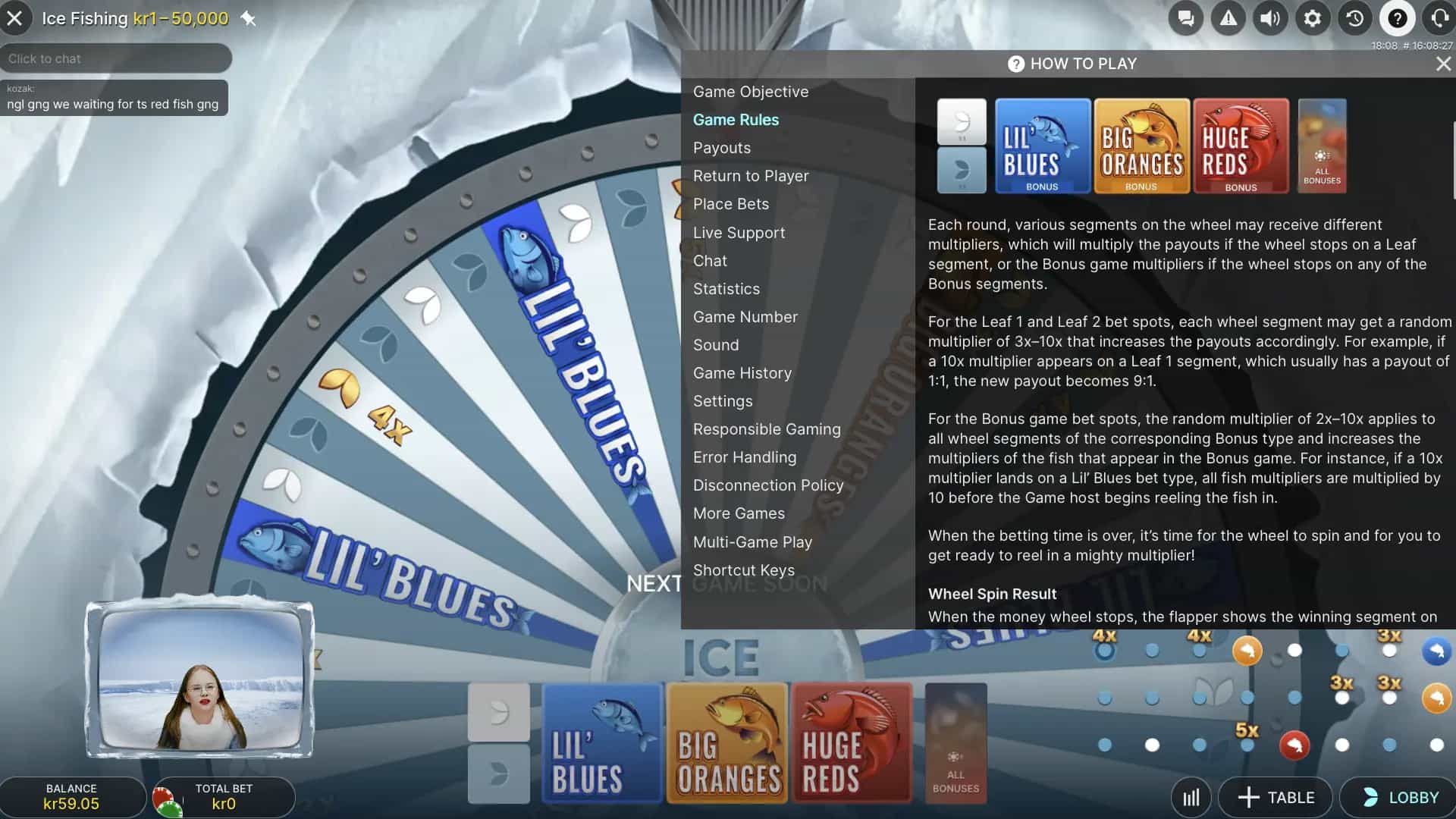
Depositing money is only the first step — how you manage that money once it is in your account determines whether your Ice Fishing experience is sustainable and enjoyable or short-lived and frustrating. Game shows like Ice Fishing resolve rounds quickly, which means your bankroll can fluctuate faster than in slower-paced games. Without a clear management strategy, it is easy to deplete your balance before you have had a chance to experience the game's bonus rounds, which are where the most significant rewards live.
The foundation of effective bankroll management is setting a session budget before your first spin and committing to it without exception. This budget should be an amount you are genuinely comfortable losing entirely — not money earmarked for rent, bills, groceries, or other essential expenses. Once you have defined your session budget, divide it by the number of rounds you want to play to determine your per-spin bet size. A useful benchmark is to budget for at least 50 to 100 rounds, which gives you enough runway to experience the game's natural rhythm and provides multiple opportunities for bonus triggers.
Resist the temptation to increase your bet size after a series of losses in an attempt to recoup previous results. This escalation strategy, often called "chasing losses," is one of the most reliable ways to exhaust a bankroll prematurely. Every spin of the Ice Fishing wheel is an independent event — previous results have no bearing on future outcomes, and increasing your stake does nothing to improve your odds. Maintain a flat bet size throughout your session, or if you do adjust, only increase after a win and only within the boundaries of your original session budget.
How Much to Deposit for Your First Session
New players often struggle with the question of how much to deposit initially. The answer depends on the minimum bet size available in Ice Fishing at your casino, but a practical rule of thumb is to deposit enough to cover at least 50 minimum bets. This ensures you have a meaningful session with enough spins to encounter the game's various features, including at least one or two bonus triggers if fortune cooperates. Starting with a small deposit also limits your downside while you are still learning the game's behaviour in a real-money environment.
It is far better to make two or three small deposits over time than one large deposit upfront. Smaller, incremental deposits force you to pause and reflect between sessions, reducing the risk of extended play driven by momentum rather than deliberate choice. Each deposit decision becomes a conscious checkpoint where you evaluate whether continuing to play aligns with your entertainment budget and emotional state. This built-in friction is a feature, not a bug — it protects you from the impulsive tendencies that fast-paced games can amplify.
Transaction Safety at Online Casinos
Entrusting your money to an online platform requires confidence that the platform handles your financial data responsibly. Reputable online casinos employ multiple layers of security technology and procedural safeguards to protect player funds and personal information. Understanding these protections helps you evaluate whether a specific casino meets your security standards before you deposit.
| Security Measure |
How It Protects You |
| SSL / TLS Encryption |
Encrypts all data transmitted between your device and the casino's servers, preventing interception by third parties during the deposit process |
| Casino Licensing |
A valid licence from a recognised regulator (MGA, UKGC, Curacao) means the casino is subject to financial oversight, player fund segregation, and regular compliance audits |
| Identity Verification (KYC) |
Know Your Customer procedures confirm your identity before large withdrawals, preventing unauthorised access to your account and funds |
| Two-Factor Authentication (2FA) |
Adds a second verification step — typically a code sent to your phone — when logging in or initiating financial transactions, significantly reducing the risk of account compromise |
Before depositing at any casino, verify that the site uses HTTPS encryption (look for the padlock icon in your browser's address bar), holds a valid gambling licence from a recognised authority, and offers two-factor authentication as an account security option. These three checks take less than a minute and dramatically reduce the risk of depositing at an unsafe platform. If a casino lacks any of these three elements, consider choosing a different operator regardless of how attractive its game library or bonus offers may appear.
Deposit Bonuses — Extra Value for Your First Top-Up
Many online casinos offer deposit bonuses that add extra funds to your account when you make a qualifying deposit. These promotions can meaningfully extend your bankroll and give you more runway to explore Ice Fishing's features, but they come with conditions that every player should understand before accepting them.
The most common deposit bonus format is the welcome bonus, typically structured as a percentage match on your first deposit. A "100% match up to ₹10,000" bonus, for example, means the casino will add ₹10,000 in bonus funds to your account if you deposit ₹10,000, doubling your starting bankroll to ₹20,000. However, bonus funds almost always come with a wagering requirement — a multiplier that determines how much you must bet before the bonus and any associated winnings become withdrawable. A 30x wagering requirement on a ₹10,000 bonus means you must place ₹300,000 in total bets before you can cash out.
Critically for Ice Fishing players, not all games contribute equally toward wagering requirements. Many casinos assign different contribution percentages to different game categories. Slots typically contribute 100%, while live casino games and game shows often contribute a lower percentage — sometimes as low as 10% or even 0%. This means ₹100 wagered on Ice Fishing might only count as ₹10 toward your wagering requirement. Always check the bonus terms for game contribution rates before accepting a deposit bonus with the intention of playing Ice Fishing.
- Welcome bonus: A percentage match on your first deposit, sometimes extending across your first two or three deposits. The most common format for new players, offering the largest bonus amounts but also the highest wagering requirements.
- Reload bonus: A smaller percentage match offered on subsequent deposits after the welcome bonus has been used. Reload bonuses typically have lower wagering requirements and are designed to reward returning players.
- Cashback offers: A percentage of your net losses returned to your account, usually calculated daily or weekly. Cashback bonuses often come with lower wagering requirements or are paid as withdrawable cash, making them among the most player-friendly promotions available.
- No-deposit bonus: A small amount of bonus funds or free play credits awarded without requiring any deposit at all. These bonuses let you try real-money play with zero financial commitment, but the amounts are typically modest and the wagering requirements tend to be high.
Currency and Conversion Considerations for Indian Players
Most international online casinos operate primarily in major global currencies like US dollars, euros, or British pounds rather than Indian rupees. This creates a currency conversion dynamic that Indian players should understand before depositing, as it can affect both the amount credited to your account and the eventual value of your withdrawals.
When you deposit in rupees at a casino that operates in dollars, the conversion happens at the prevailing exchange rate — either the rate set by your bank or payment provider, or a rate determined by the casino's payment processor. A small conversion fee, typically 1% to 3%, may be applied on top of the exchange rate. This fee appears to be invisible because it is baked into the rate itself rather than listed as a separate charge, but it reduces the effective value of your deposit by a small margin.
Some casinos do offer accounts denominated in Indian rupees, which eliminates the conversion issue entirely. If you find a reputable, licensed casino that supports INR accounts and carries Ice Fishing in its game library, this is usually the most financially efficient option. You deposit in rupees, your balance is displayed in rupees, your bets are placed in rupees, and your withdrawals return in rupees — no conversion fees at any stage. The selection of INR-friendly casinos is smaller than the broader international market, but the financial savings over the lifetime of an active player's account can be meaningful.
One additional factor that Indian players should monitor is the exchange rate fluctuation between the rupee and the casino's operating currency. If you deposit when the rupee is relatively strong against the dollar and withdraw when it has weakened, your real-world return is reduced even if your casino balance shows a profit. Conversely, a strengthening rupee during the holding period works in your favour. This currency risk is modest for casual players making small deposits and quick withdrawals, but it becomes more relevant for players who maintain larger balances over extended periods. Keeping deposits and withdrawals in a tight cycle — deposit, play, withdraw within a few days — minimises your exposure to exchange rate movements.